
Case study
Reducing booking abandonment through contextualized dealer interactions
- My role
- Lead Product Designer (UX/UI & Strategy). End-to-end journey optimization for 120+ global markets
- team
- Agency-side, Agile Product Team (3 engineers, QA, PO)
- disciplines
- UX Strategy, Information Architecture, Stakeholder Management, Data-Driven Design
- Impact
- 21% reduction in booking abandonment & 14% increase in lead generation.
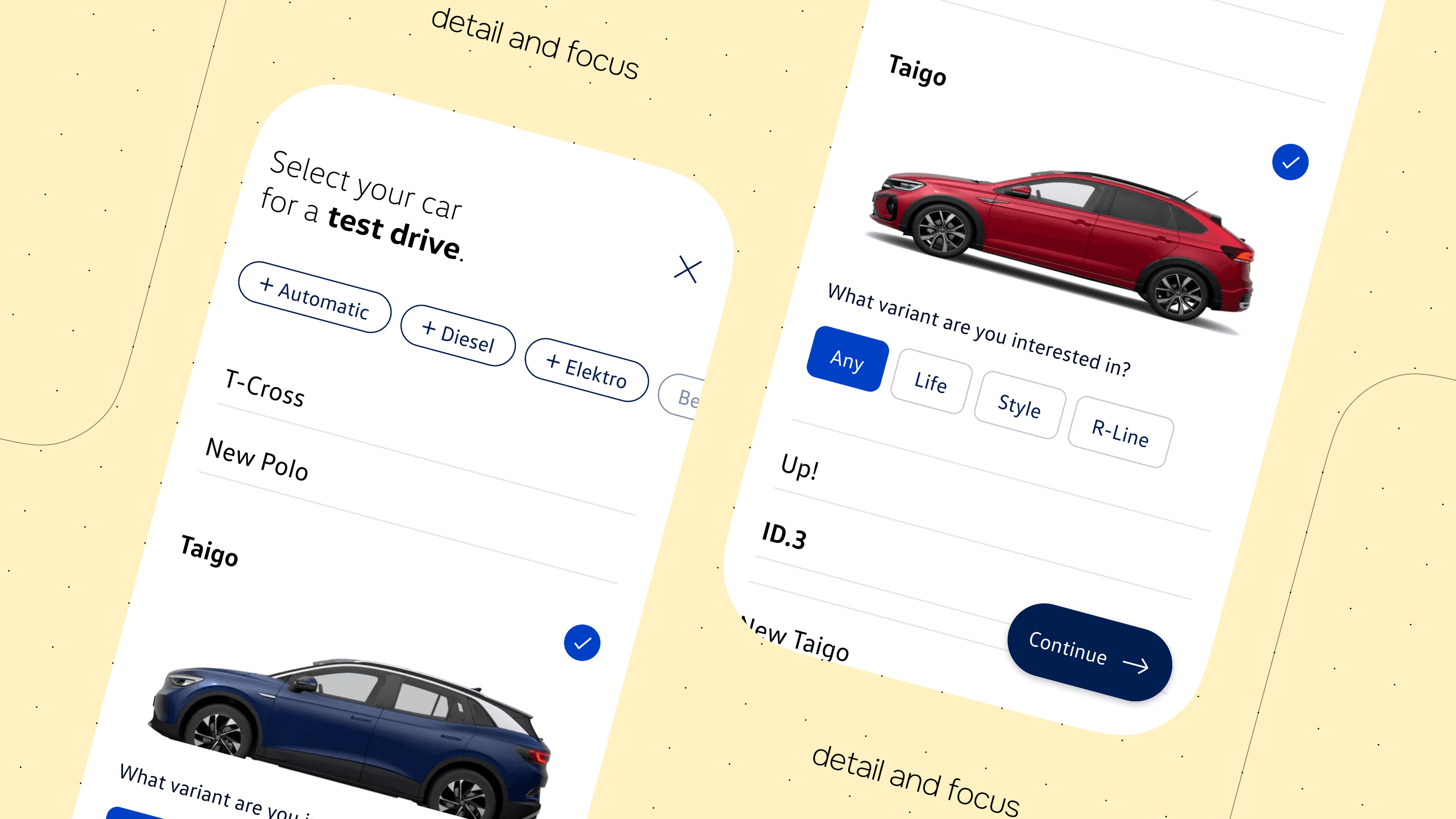
A static contact model was leaking intent between browsing a car and booking a visit. We rebuilt dealer interaction as a continuation of browsing — context-sensitive, journey-based, and light enough to commit to.
Select your car
for a test drive.

 AutomatikDieselElektroBenzin
 Filters
T-Cross
New Polo
Taigo

What variant are you interested in?
Up!
ID.3
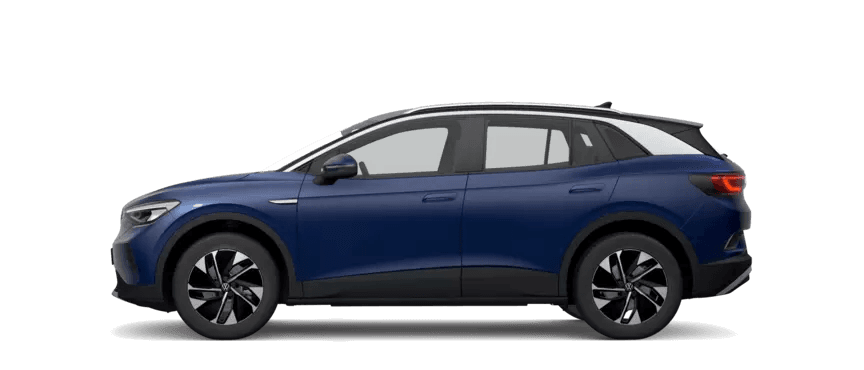
ID.4
T-Roc

Feature or process highlight (scrollytelling)
This piece of text scrolls to next one. Once next one is in, the sticky image on the right changes.
Step 1 of 3
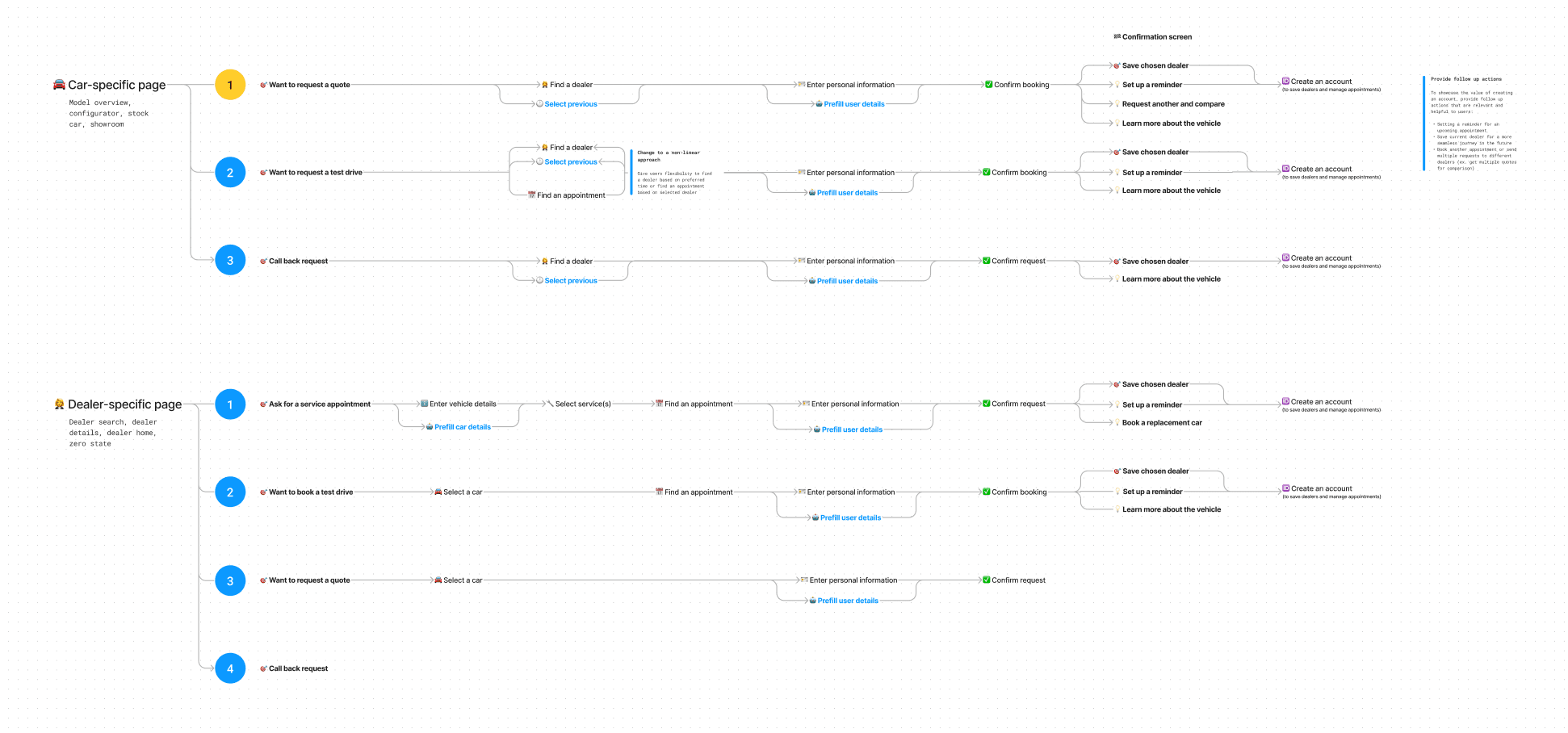
The challenge
A fragmented user journey where vague entry points led to high abandonment during the transition from "browsing" to "booking."
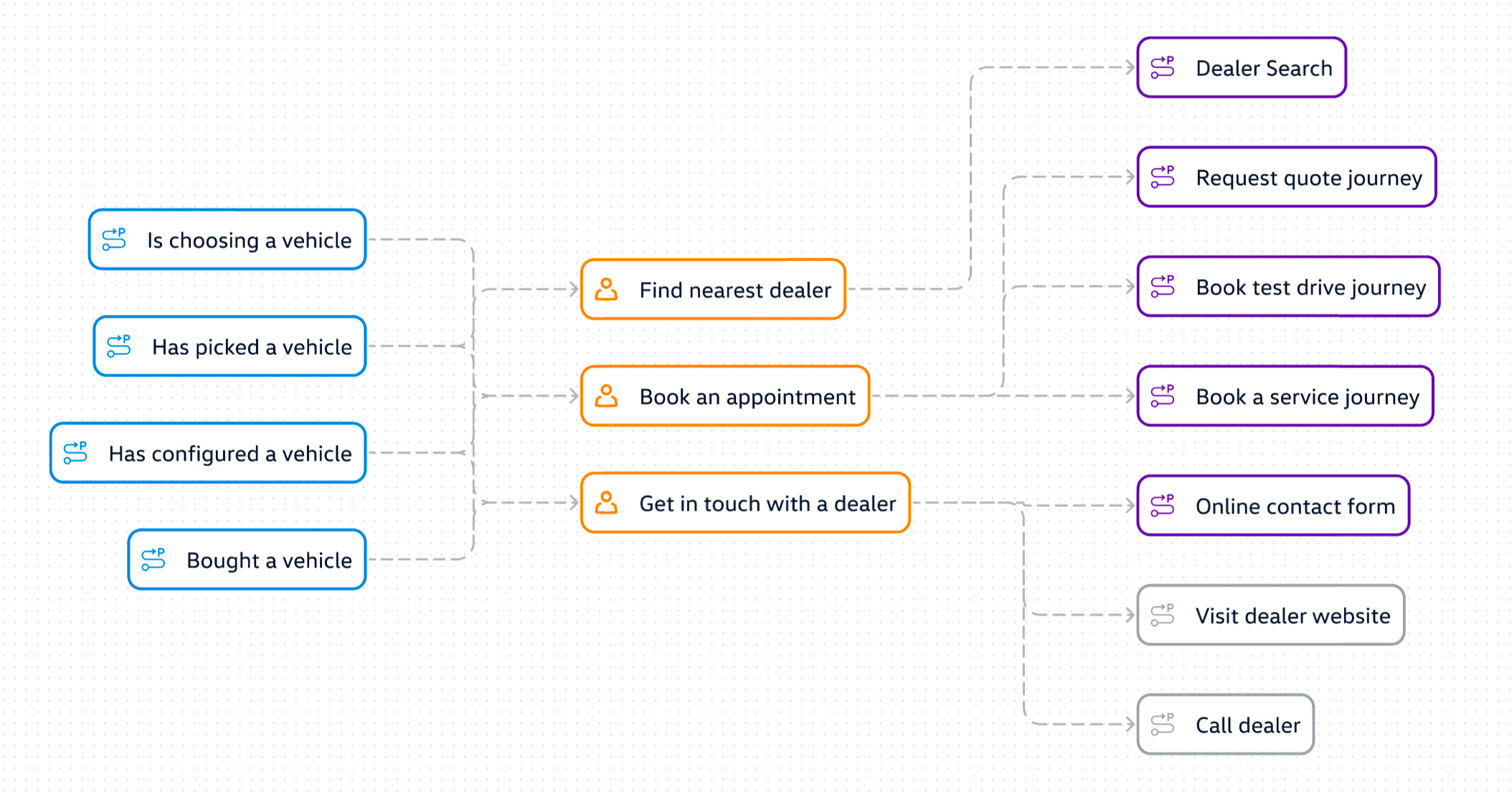
Design approach
Moving from a "one-size-fits-all" contact method to a context-sensitive, journey-based information architecture.
The process
Discovery
Identifying friction in the "feature app" steps (dealer → car → model → calendar).
Step 1 of 2
Impact
21%
reduction in booking abandonment
14%
increase in lead generation
Things I’d do differently today
- ...
Write when the structure is the problem.
Markets, constraints, and systems that no longer explain themselves.