Case study
Realigning product structure with user mental models
- My role
- Product Designer · UX strategy
- team
- Product owners, copywriters, marketing team, product teams
- disciplines
- Realigning product structure with user mental models.
- Impact
- Less support load on structure. Clearer onboarding, less confusion-driven churn.
The challenge
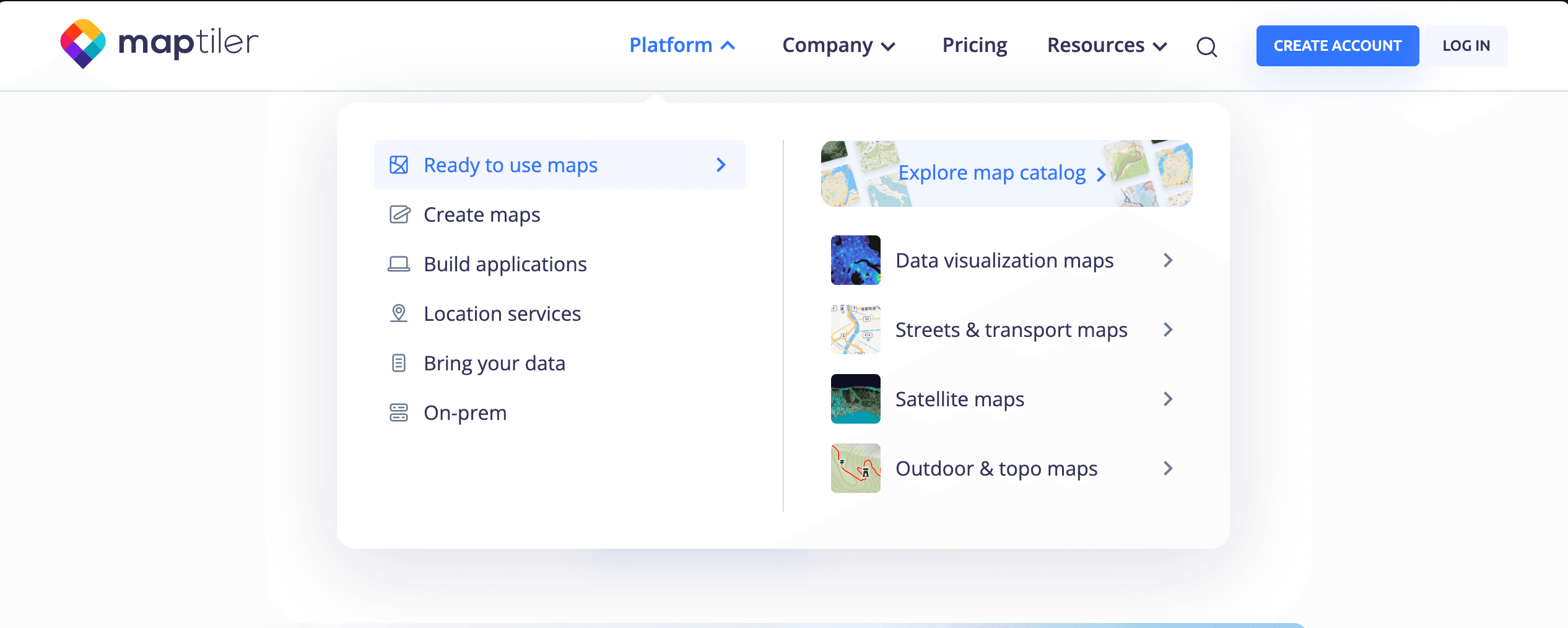
The organization’s identity was built around branded, siloed products, while customers viewed the company as a single, unified platform. This mismatch caused significant confusion during onboarding and high abandonment as users struggled to understand how the different "products" related to one another.
Strategy
I proposed a shift from a product-centric structure to a capability-centric platform. The goal was to move from a structure that asks "What product do I need?" to one that answers "What am I building?".
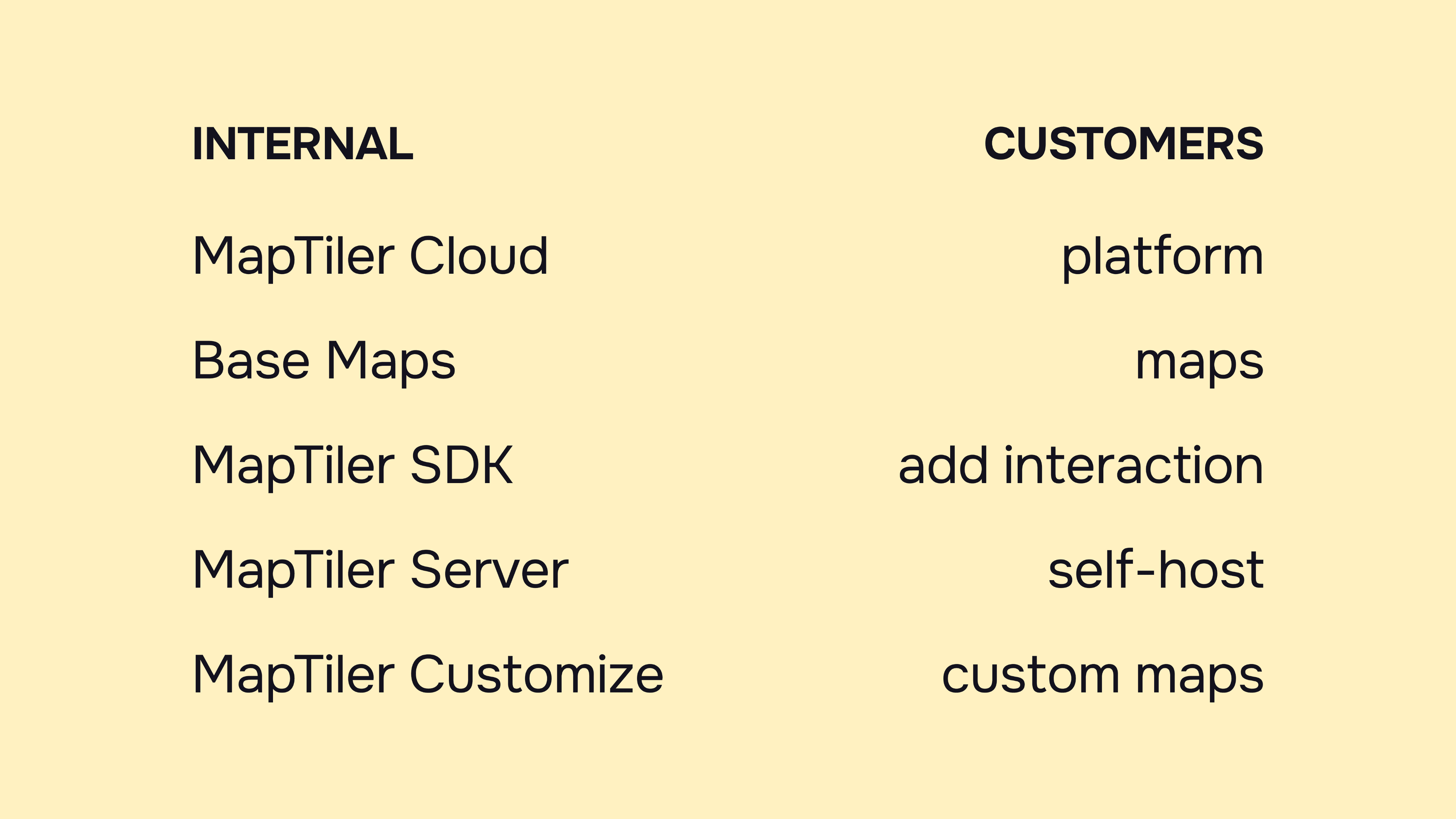
Why action-based terminology?
While conducting interviews with a few new customers in the past, I noticed most spoke about the products in simple terms. This insight became the foundation for my argument.
The process
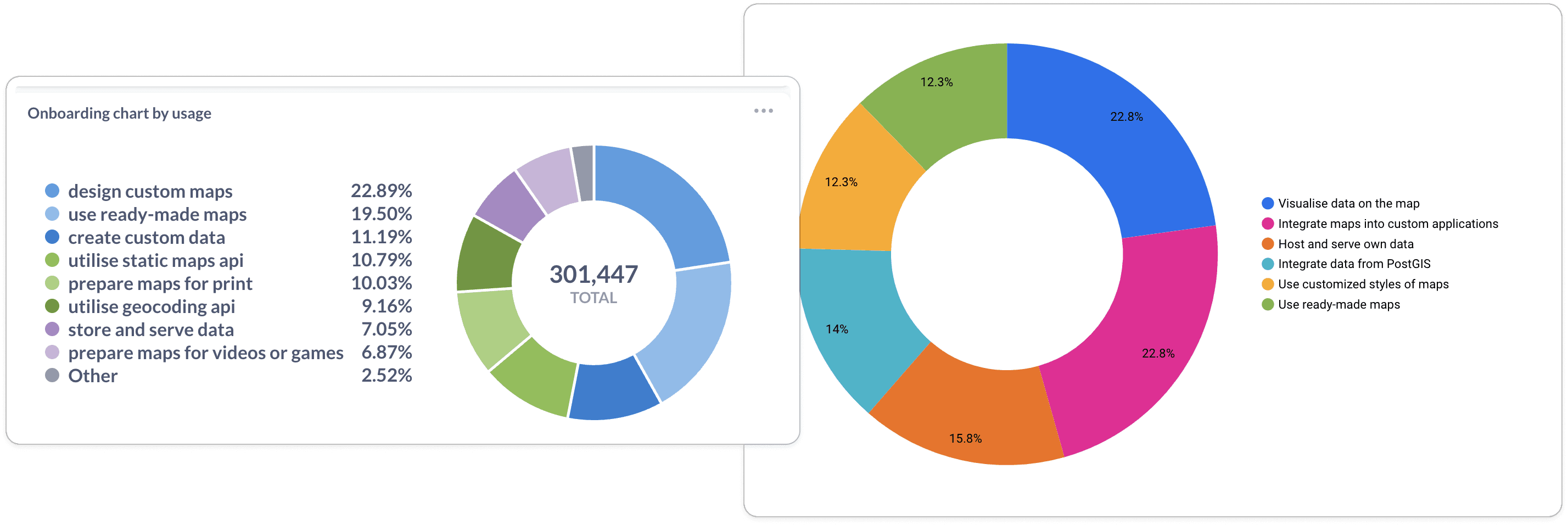
Onboarding analytics
Took common user intents, collected during product onboarding after sign up. It was a straightforward way to get most common intents - including user-written ones.
Step 1 of 6
Impact
Operational Efficiency
Significantly reduced the volume of support and sales inquiries regarding product structure, as users could now self-navigate.
Improved Lead Quality
: By aligning the website with user intent, we improved the quality of incoming leads, ensuring users signed up for tools that actually met their needs.
Things I’d do differently today
- Conduct the card sorting live to get more in depth insights to get more context about the respondants choices
- Defined more robust guidelines & clarity for future expansion
Write when the structure is the problem.
Markets, constraints, and systems that no longer explain themselves.